Many small businesses only think about IT when something breaks. A laptop fails, the Wi-Fi drops, an employee gets locked out, or a suspicious email appears. The invoice arrives, the problem disappears, and technology is recorded as another cost.
That reactive model hides the money good IT can make or protect.
Why IT looks like overhead
Technology rarely appears on a sales report. Owners can see the price of software, support, devices, and cybersecurity, but the return is spread across the business. Ten minutes saved on a repeated task does not look dramatic until it is multiplied by every employee, every day.
The same is true for downtime. A prevented outage never shows up as revenue, even though an outage could stop sales, delay jobs, frustrate customers, and consume paid staff time. Prevention is valuable but quiet.
As a result, many companies underinvest until a failure forces an expensive decision.
IT can increase capacity
The first way IT makes money is by helping the same team complete more valuable work. Automating appointment reminders can reduce no-shows. Connecting a website form to a customer relationship system can prevent leads from being forgotten. Standard templates, secure file access, and cleaner workflows can shorten administration.
The goal is not to add technology everywhere. It is to remove friction from work that happens often.
Ask a simple question: where is your team copying information, waiting for access, correcting avoidable errors, or performing a task a system could handle? That is where an IT investment may create capacity without another hire.
IT protects existing revenue
Reliable backups, multi-factor authentication, software updates, access controls, and employee training are not glamorous. They reduce the chance that a preventable incident interrupts operations or exposes customer information.
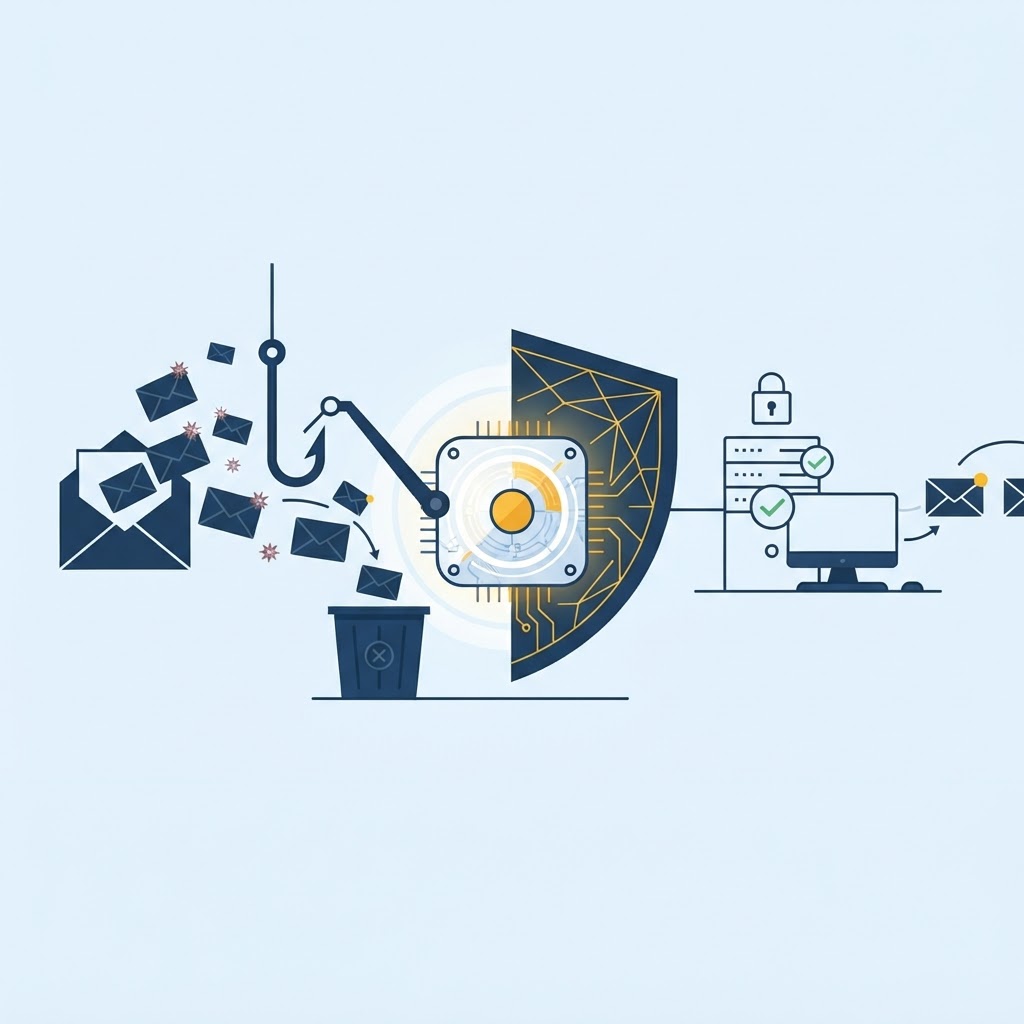
Security should not rely on one tool or on employees spotting bad spelling. Modern phishing can look polished and personalized. A layered approach protects the accounts, data, reputation, and customer confidence that revenue depends on.
IT can improve the customer experience
Fast booking, accurate estimates, automated updates, online payments, and responsive support all feel like service improvements to a customer. Behind the scenes, they are technology decisions.
When systems are designed around the customer journey, IT stops being a back-office expense and becomes part of sales, delivery, and retention.
Measure technology like an investment
Before buying a tool, define the result: hours saved, errors reduced, appointments recovered, downtime avoided, faster payment, or additional capacity. Review whether the result happened. Cancel software that adds complexity without value.
Small business IT should be practical, secure, and connected to operations. BoostBC helps businesses in Kelowna and across BC turn scattered technology into systems that support revenue instead of waiting for the next emergency.
Start with one revenue workflow
Map what happens from the moment a prospect contacts you until the invoice is paid. Mark every manual transfer, delay, duplicate entry, missing notification, and common error. Improving this single workflow often reveals a better technology priority than buying the newest tool. A small integration that prevents missed leads may create more value than a large platform the team does not adopt.