If someone uses AI to build an app without writing every line by hand, are they a real coder?
Yes, if coder simply means a person who creates software by working with code. But that answer avoids the more important question: can they understand, test, maintain, secure, and take responsibility for what they built?
Tools have always changed coding
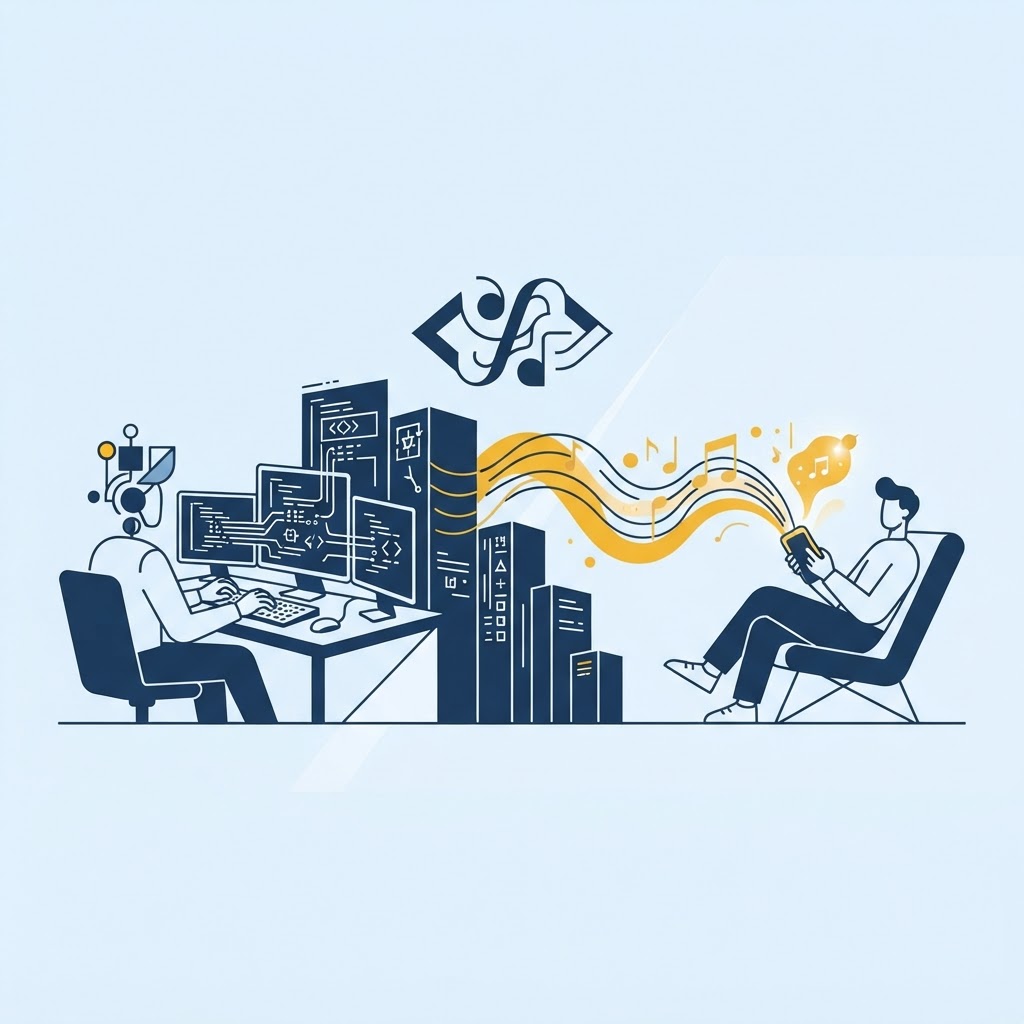
Developers stopped writing raw machine instructions for most work. They adopted high-level languages, frameworks, libraries, visual builders, autocomplete, templates, and search. AI-assisted coding is another major shift in abstraction.
Using a tool does not make the result fake. Customers care whether the application solves a problem reliably. A carpenter is not less real because the drill is electric.
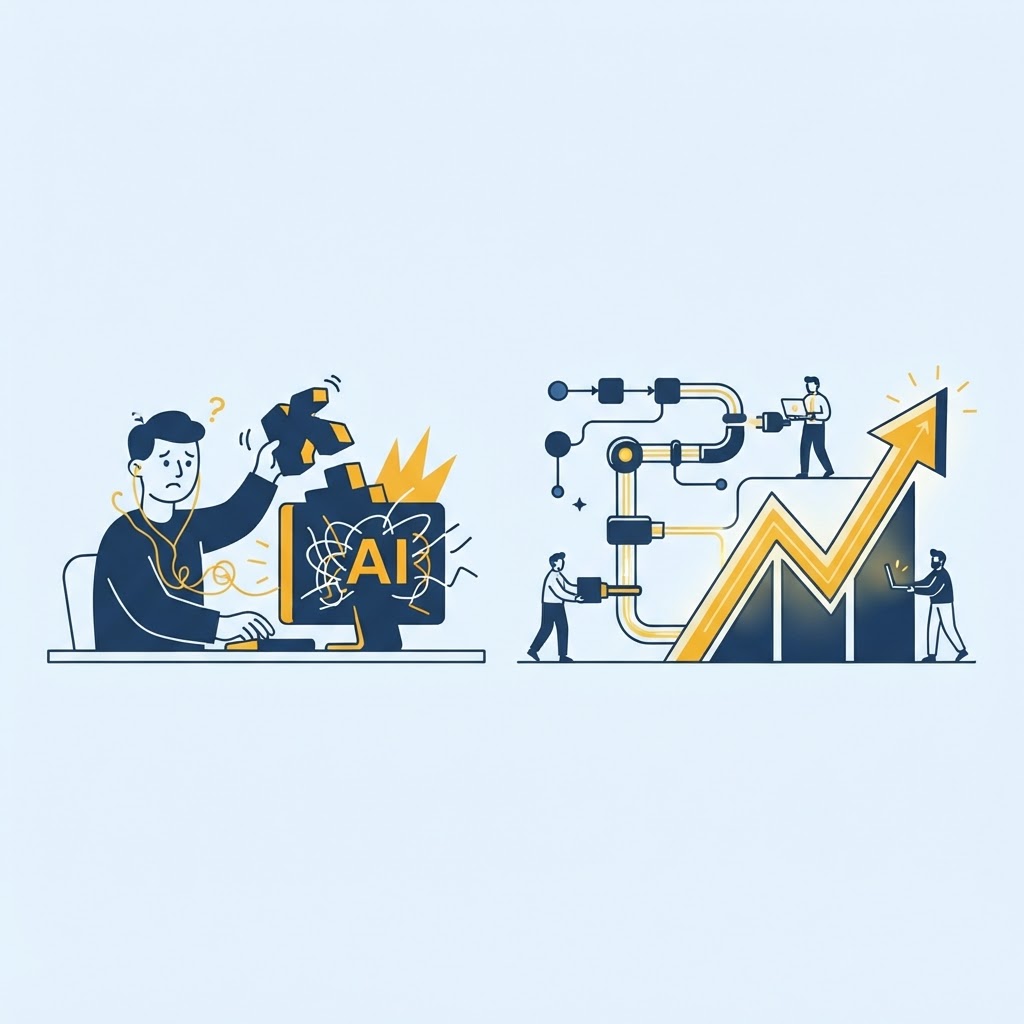
However, powerful tools can create the appearance of skill before the underlying judgment exists.
Vibe coding lowers the cost of a first version
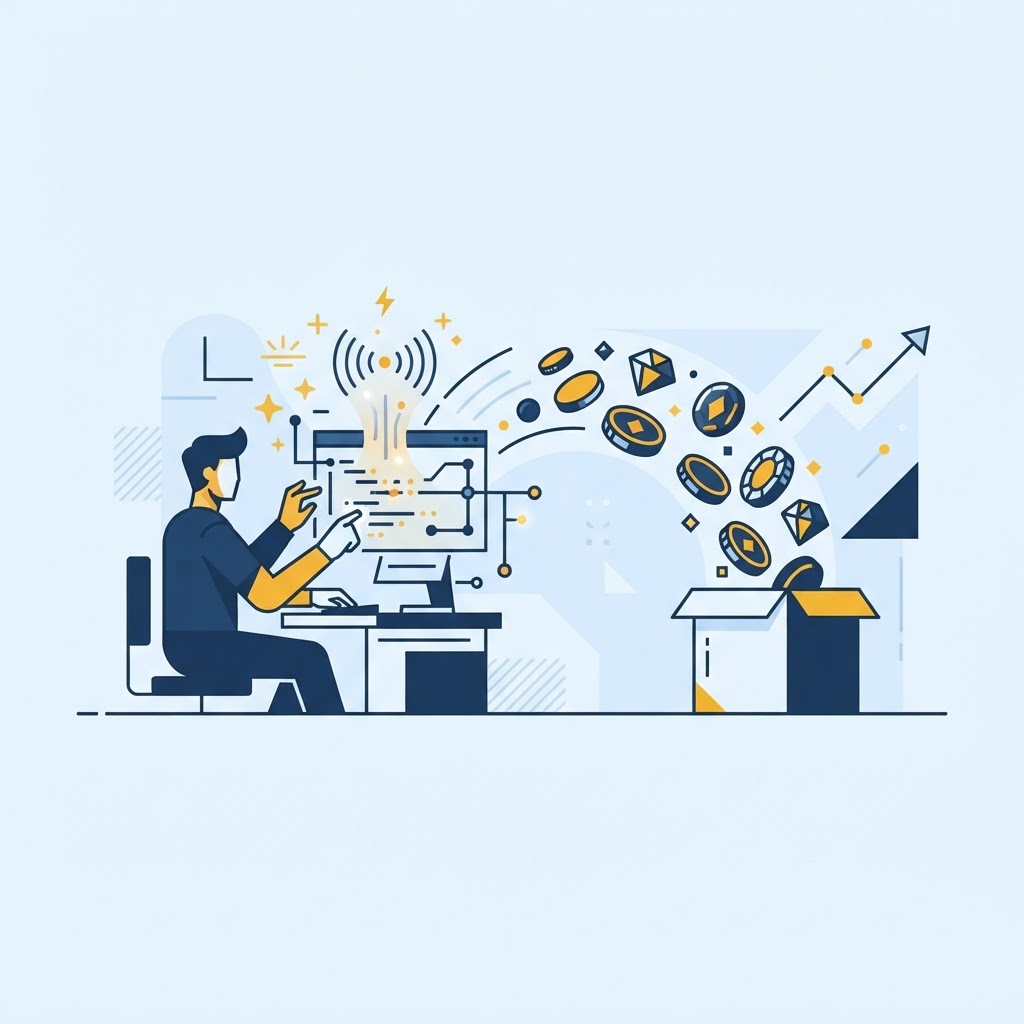
A person can describe a feature, generate a project, connect a database, and deploy a prototype much faster than before. This is genuinely valuable. Founders can test ideas, freelancers can automate internal work, and developers can move through routine tasks quickly.
GitHub recent reporting shows how deeply AI tools are influencing developer behaviour and technology choices. AI-assisted creation is no longer a fringe experiment.
But a working demo is not the same as production-ready software.
Real responsibility starts after it works
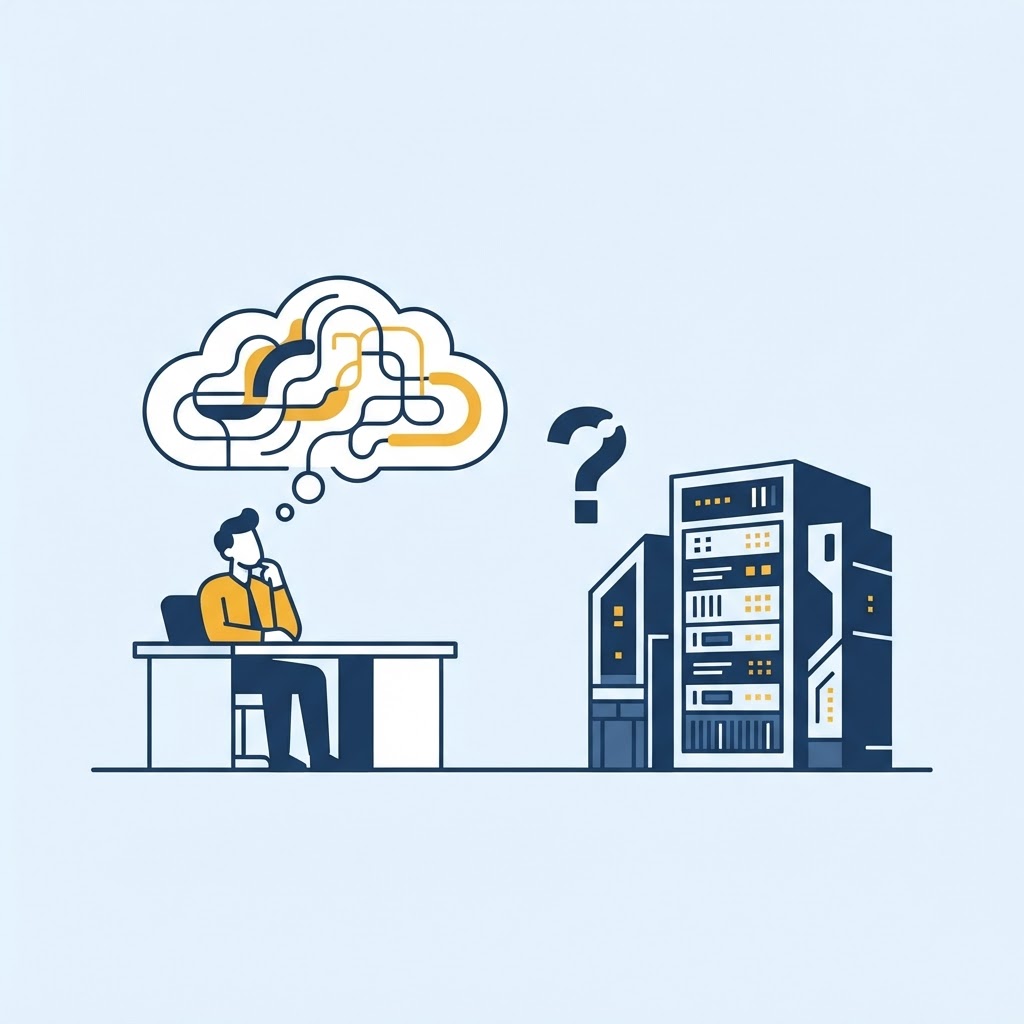
Can the builder explain where user data goes? Can they reproduce a bug? Do they know whether authentication is correctly implemented? Are dependencies maintained? What happens under load? Is there a backup and recovery plan? Can another person work on the codebase?
The risk in vibe coding is not that AI wrote the syntax. The risk is shipping output nobody has properly evaluated.
A traditional developer can also write insecure or unmaintainable code. The standard should apply to everyone: understand the system well enough to verify it or involve someone who does.
Skill exists on a spectrum
A beginner assembling an internal calculator is not performing the same job as an engineer designing a healthcare platform. Both may be coding, but the required depth, risk, and accountability are radically different.
Labels become unhelpful when they flatten that difference. Instead of asking whether someone is a real coder, ask what they can safely build, how they validate it, and what happens when it fails.
The best vibe coders keep learning
AI can explain code, generate tests, compare approaches, and accelerate learning. Use it to build understanding, not to avoid it. Read the output. Ask why. Test edge cases. Learn version control, security basics, data modelling, deployment, accessibility, and maintenance.
Vibe coders are real coders when they create real software. They become reliable software professionals when they pair speed with knowledge, testing, and ownership. The keyboard technique matters less than the standard they accept for the result.
A better question for clients
Ask the builder to show how they handle a change, not only the original demo. Can they add a permission, repair a failed integration, explain the data model, and deploy without breaking existing users? Change exposes understanding. It also reveals whether the project has version control, tests, documentation, and a maintainable structure. Real software is not judged only on launch day; it is judged by what happens next.