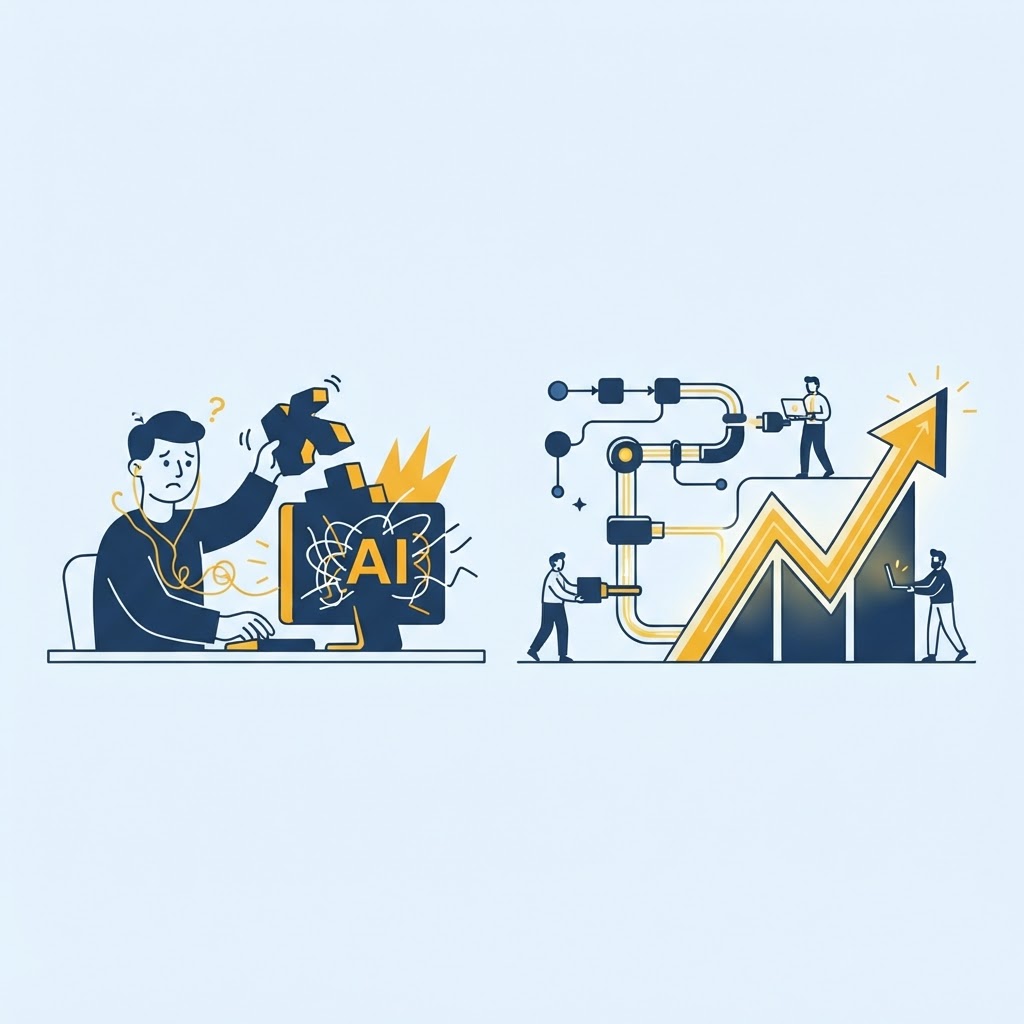
You ask AI to write a great post, and it returns polished mush. You ask for a strategy, and it gives advice that could fit any company. You try again, get frustrated, and conclude that AI sucks.
Sometimes it does. Models can be wrong, repetitive, biased, or confidently unhelpful. But many bad results begin with a task that was never defined well enough for a person to complete either.
AI cannot read the context in your head
You know the customer, history, constraints, brand, budget, failed attempts, and meaning of good. The model does not unless you provide them.
Compare "Write an ad for my cleaning business" with "Write three Facebook ad concepts for a Kelowna residential cleaning company targeting busy dual-income homeowners. Emphasize reliable recurring service, avoid discount language, and end with a request-a-quote call to action."
The second prompt gives the tool a job, audience, message, boundary, and format.
Stop asking for final work first
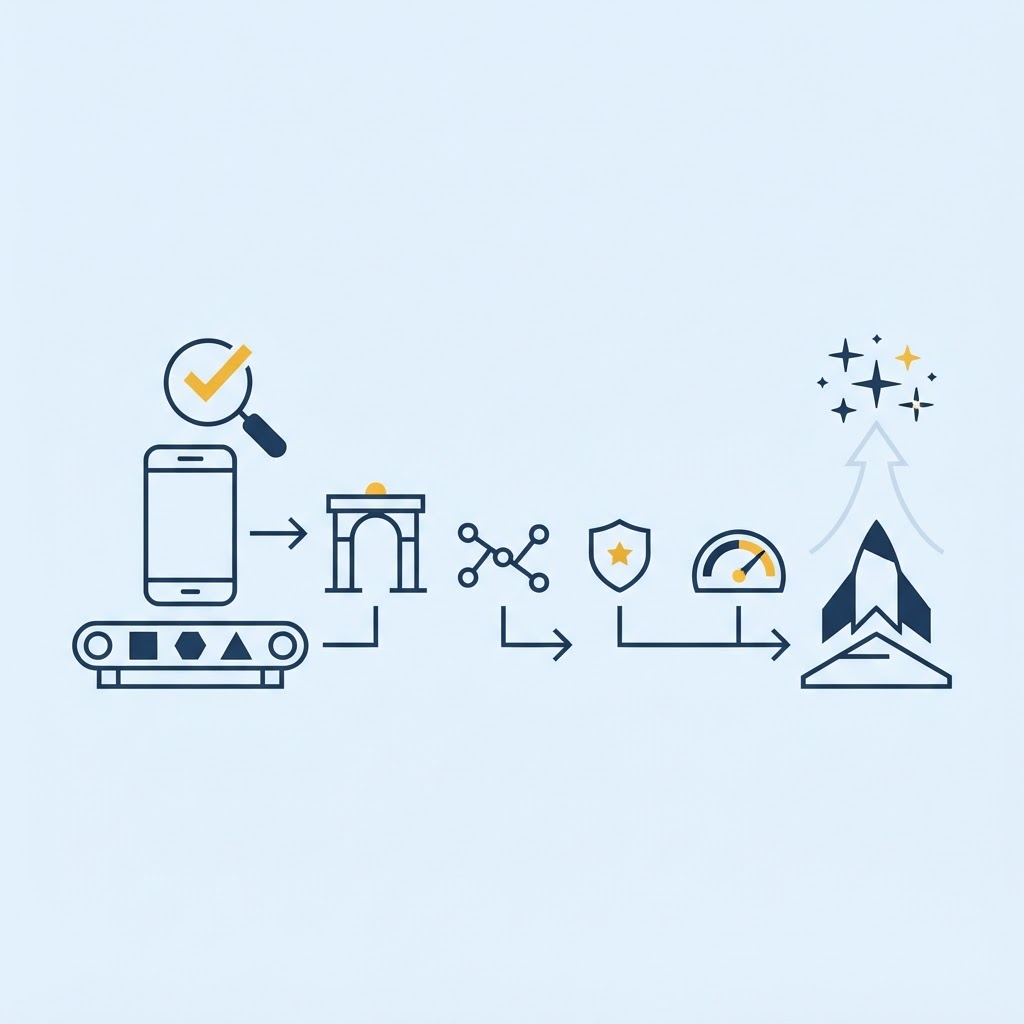
Use AI as a collaborator across stages. Ask it to identify missing information, compare approaches, challenge assumptions, create a first structure, and critique a draft. Then provide corrections and request a revision.
The first output is rarely the product. It is material for the next decision.
Give examples and constraints
Show the tone you want. Provide approved facts, customer language, service details, and phrases to avoid. Specify length, reading level, channel, and desired action.
Constraints improve usefulness because they narrow the range of plausible output. "Make it better" is not feedback. "Shorten the opening, remove hype, preserve the pricing explanation, and use one Kelowna example" is.
Verify anything that matters
AI can invent sources, misunderstand current policies, produce insecure code, and make subtle factual errors. Check claims against primary sources. Review calculations. Test links, code, and workflows. Do not paste confidential client or employee information into a tool without understanding the privacy and account settings.
The higher the consequence, the stronger the human review must be.
Build reusable workflows
One-off prompting is entertaining. Repeatable workflows create value. Save a strong brief, brand context, review checklist, and final quality standard. Track where AI saves time and where it creates correction work.
Use it for the parts it handles well: variations, organization, summaries, pattern detection, boilerplate, and first drafts. Keep people accountable for strategy, taste, relationships, ethics, and final decisions.
AI may still disappoint you after you improve the process. That is useful too; it tells you the task needs a different tool or human expertise. The goal is not to force AI into every job. It is to stop judging a powerful tool by what happens when you give it vague instructions and no review.
Improve the input before changing models
When a result fails, label the failure: missing fact, wrong tone, weak reasoning, poor format, or unsafe recommendation. Add the missing context or split the task into stages. Keep a successful example beside the prompt. Switching tools can help, but process improvements are portable. The person who learns to diagnose output will outperform the person who endlessly searches for a model that guesses perfectly.