In a world of QR codes, LinkedIn profiles, contact-sharing apps, and instant search, handing someone a small rectangle of paper can feel outdated. Yet business cards are still useful in 2026 when they are designed for the way people actually follow up.
The card is no longer your entire professional identity. It is a physical reminder of a useful conversation.
When business cards still work
Cards perform best in face-to-face settings: local networking events, trade shows, community meetings, sales visits, pop-ups, conferences, and chance introductions. A person may intend to search for you later, but intent disappears quickly. A card gives the interaction a physical anchor.
They are especially useful for businesses serving local customers, older or mixed-age audiences, and industries where people move between job sites or appointments. They also work when taking out a phone would interrupt the conversation.
When a digital option is better
Digital contact sharing wins when information changes often, when you need to capture the other person details, or when your work is naturally online. A QR code can send someone to a booking page, portfolio, contact card, or focused landing page.
But do not force a QR code to do all the work. Some people will not scan an unfamiliar code, and poor reception can make the experience awkward. Print the essential information as well.
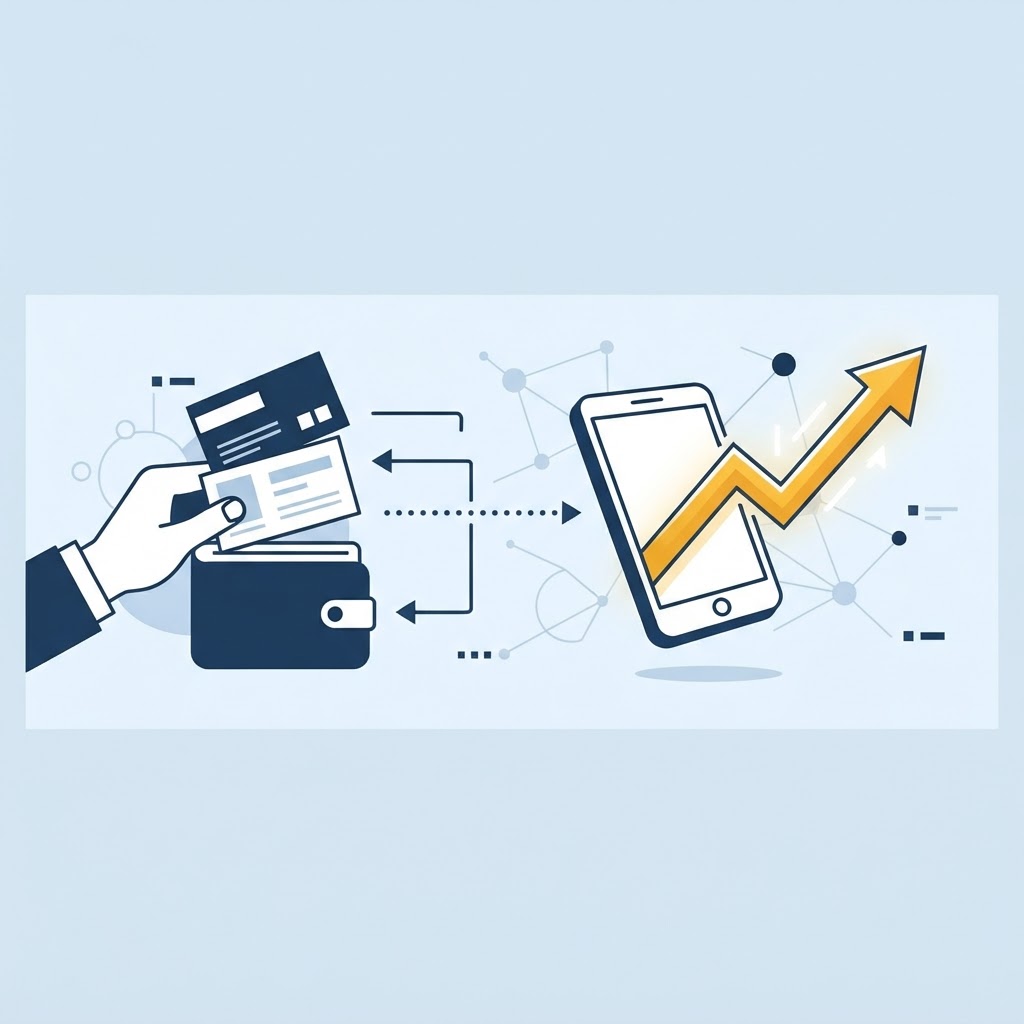
The strongest approach is usually hybrid: a clear printed card plus a simple digital destination.
What belongs on a modern business card?
Keep it practical:
- Your name and role
- Business name and recognizable logo
- Phone number and professional email
- Website or memorable landing-page address
- A short explanation of what you do
- An optional QR code with a clear reason to scan
"Scan me" is weak. "View recent projects" or "Book a consultation" tells the person what happens next.
Design still matters
A crowded, flimsy, or generic card can undermine the impression you just created. Use readable type, strong contrast, enough white space, and a finish appropriate to the brand. Avoid squeezing every social platform onto the card.
Before printing 1,000 copies, test a small run. Confirm every link and scan the QR code on multiple phones. Make sure the digital page loads quickly and looks good on mobile.
The card cannot replace follow-up
Collecting cards is not networking. If the conversation mattered, send a short personal message within a day or two. Mention what you discussed and suggest a relevant next step. The real value comes from the relationship, not the cardstock.
Traditional business cards are still worth it when they are part of a follow-up system. BoostBC helps businesses create brand materials and digital experiences that connect the handshake to an action, because a good card should open a door, not end up in a drawer.
Know when to skip the card
Do not hand out cards as a substitute for conversation or leave stacks where they become litter. If the person has already connected with you digitally, confirm the connection instead. If the information will change next month, print fewer. Business cards work best when the recipient has a reason to remember you. Relevance makes paper useful; indiscriminate distribution only creates waste.